

Introduction:
What if we told you that a single childhood insecurity can shape an entire adult life?
In India, nearly 15% of children aged 5–19 suffer from mental health issues, according to the Indian Council of Medical Research (ICMR). These insecurities don’t just fade away. They grow silently, often shaping how adults build relationships, handle stress, and make decisions.
This blog explains important childhood insecurities, how they develop, and what you can do as a parent or teacher to help. It focuses on awareness and action, not perfection.
How Childhood Insecurities Shape Adulthood
Dr. Shekhar Seshadri from NIMHANS highlights that early emotional experiences directly shape a child’s brain development and emotional strength. A child who grows up hearing criticism, facing emotional neglect, or fearing judgment may internalize those experiences. In adulthood, this often shows up as anxiety, overthinking, self-doubt, and trouble forming healthy relationships.
14 Most Important Childhood Insecurities and What Parents Can Do
1. Fear of Not Being Good Enough
Children who are compared to siblings or classmates often feel inadequate. They may fear never being “enough,” no matter what they do.
What Parents Can Do: Celebrate effort, not just results. Avoid comparisons in front of others.
2. Fear of Disappointing Parents or Failing Expectations
Kids who are pushed too hard or expected to be perfect may become anxious or hide their mistakes.
What Parents Can Do: Acknowledge their efforts and let them know it’s okay to make mistakes and learn.
3. Fear of Rejection or Abandonment
When children grow up with emotional distance or inconsistent caregiving, they fear losing love or being left behind.
What Parents Can Do: Be emotionally available. Offer reassurance and steady presence.
4. Fear of Being Bullied
Children who’ve been teased at school, online, or even at home (by siblings or cousins) may fear social situations and avoid friendships.
What Parents Can Do: Speak to your child about their day. Address bullying immediately at home or school.
5. Social Insecurity / Fear of Not Fitting In
Many kids feel they don’t “belong” due to appearance, speech, family situation, or background, leading to social withdrawal.
What Parents Can Do: Teach them self-acceptance. Expose them to inclusive environments and diverse friendships.
6. Insecurity About Expressing Emotions
When kids are told “don’t cry,” “you’re too sensitive,” or “boys don’t feel sad,” they suppress feelings and grow emotionally distant.
What Parents Can Do: Let them cry. Let them feel. Teach healthy emotional expression.
7. Academic Insecurity
Kids who struggle with reading, math, or speaking may develop a belief that they are “not smart”, especially if labeled by teachers or parents.
What Parents Can Do: Avoid labeling. Provide extra help without shame. Praise progress.

8. Fear of Loneliness
Children who are left alone often or don’t get enough emotional attention may feel invisible, unwanted, or unloved.
What Parents Can Do: Spend time with them daily, even short moments matter.
9. Fear of Being a Burden
When children hear statements like “you’re too much,” “I can’t handle you,” or “why can’t you be like your sibling,” they start to believe they are a problem.
What Parents Can Do: Watch your tone and words. Reassure them they’re valued.
10. Insecurity in Decision-Making
Kids who are always told what to do (and how to do it) may feel incapable of making their own choices, doubting their judgment.
What Parents Can Do: Let them choose small things, clothes, snacks, or hobbies.
11. Fear of Being Judged or Mocked
Some children fear being laughed at in class, on stage, or during conversations, especially those with speech differences or a shy nature.
What Parents Can Do: Celebrate their voice. Let them speak without interruption or teasing.
12. Fear of Not Being Heard or Taken Seriously
Kids whose feelings are dismissed (“you’re overreacting” or “it’s not a big deal”) often stop expressing themselves, assuming no one will listen
What Parents Can Do: Listen patiently. Reflect back what they say so they feel heard.
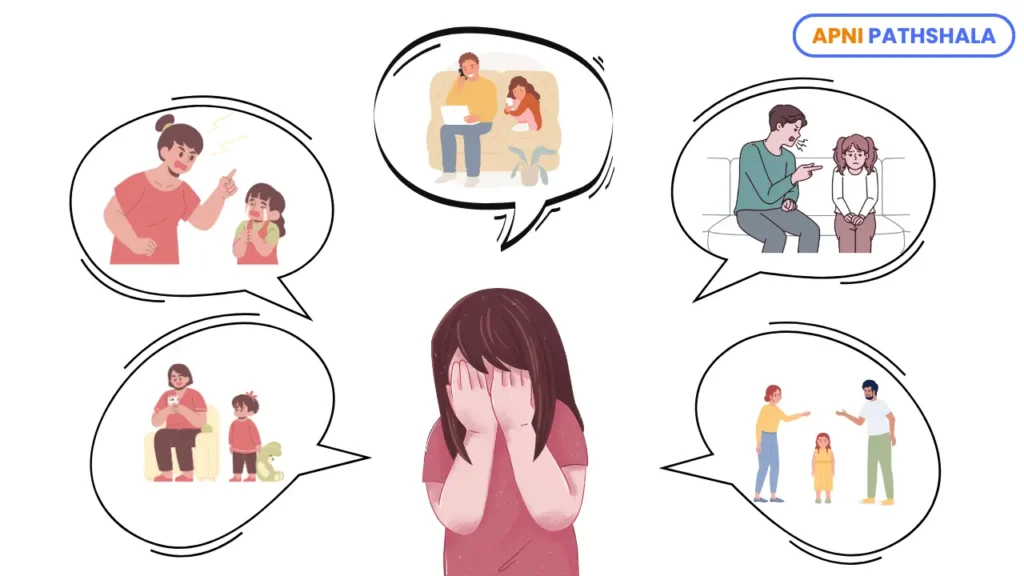
13. Fear of Anger and Yelling
Kids who grow up around frequent yelling or aggressive behaviour often become anxious and fearful, avoiding confrontation at all costs.
What Parents Can Do: Speak calmly. Apologize when you lose your temper. Model respectful communication.
14. Fear of Hating or Resenting Parents
When children are constantly belittled or scared at home, they may develop long-term resentment or emotional detachment.
What Parents Can Do: Rebuild trust. Talk openly and kindly. Prioritize emotional safety over control.
Tips for Parents to Prevent Long-Term Emotional Insecurity
- Validate Their Feelings: Even if it seems small to you, it matters to them.
- Avoid Comparisons: Focus on growth, not competition.
- Give Controlled Freedom: Let children make safe decisions.
- Model Emotional Openness: Let them see how you handle emotions.
- Be Consistent and Available: Presence creates safety.
- Encourage Conversation: Listen without judging or interrupting.
- Admit Your Mistakes: Children learn accountability when you do it too.
- Don’t Yell as a Habit: Calm parenting leads to calm children.
Conclusion: What You Say Today Shapes Their Tomorrow
Let’s recap:
- Childhood insecurities are real and powerful.
- They shape how adults behave, love, and lead.
- Emotional security begins with safe parenting practices.
This blog explored:
- How childhood mental health shapes adult behaviour
- 14 key insecurities and what to do about them
- Parenting strategies to prevent long-term emotional damage
Childhood is a crucial time for building emotional strength. By providing support and love, we help children become confident and resilient adults ready to face life’s challenges.
What insecurities from your childhood do you recognize?
Please share in the comment section.
All parents should be aware of the growing threat from online scams aimed at students. Click here to read more.
Explore more blogs like this one – Click here to read more.







2 Responses
Truely inspiring to see such dedicated efforts going into strengthening the POD ecosystem. From analyzing top-performing models to streamlining SOPs and building meaningful connections with nonprofit PODs, this kind of groundwork is exactly what drives sustainable impact on the ground. Keep up the great work
Encouragement like this keeps the movement strong.