

Introduction
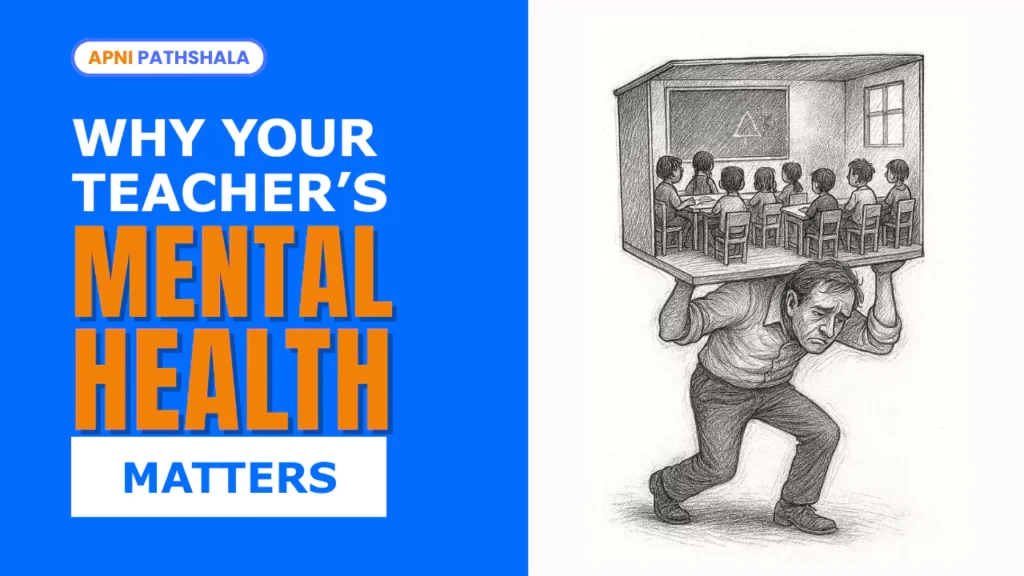
Your teacher might silently be battling depression, anxiety, or stress without anyone noticing. If you’re a teacher yourself, you might not fully understand why mental health matters deeply in your role. Mental health affects everyone, but for teachers, it can define the success of entire classrooms
According to recent surveys, 84% of teachers experience work-related stress, and 86% report adverse impacts on their mental health. This isn’t an isolated issue but a global pandemic of teacher distress.
I’ve personally witnessed a stressed teacher grading papers late at night, collapsing from exhaustion, and facing harsh criticism from parents when students perform poorly. Many teachers earn minimal wages, making family support increasingly difficult. Ignoring teachers’ mental health can impact future generations profoundly, affecting our society and even our families.
In this blog, we will explore the critical challenges teachers face and provide practical solutions to help educators maintain their emotional well-being.

Key Problems Faced by Teachers
- Excessive Workload
Teachers manage large class sizes, multiple grade levels, lesson planning, grading, extracurricular activities, and administrative duties, often resulting in fatigue and burnout. The added pressure of completing the syllabus within tight deadlines worsens their mental fatigue.
- Poor Work-Life Balance
Juggling teaching responsibilities and personal commitments creates chronic stress, adversely affecting their mental health and personal life. Poor work-life balance often isolates teachers from family, friends, and colleagues, deepening feelings of loneliness and emotional distress. - Low Remuneration
Many educators earn significantly less than other professionals (₹7,000–15,000/month in India), making it challenging to support themselves and their families adequately. - Insufficient Recognition
Teachers rarely receive acknowledgement for their contributions. Even when students excel, teachers often remain in the background, seldom receiving deserved praise from peers or students. When students achieve top honors, their photos are prominently displayed on banners, but no one talks about which teachers helped them the most. - Challenging Classroom Management
Disruptive behavior, bullying, and large student-teacher ratios escalate classroom stress, reduce the quality of instruction, and heighten teacher anxiety.
- Teaching by Circumstance, Not Choice
Some individuals become teachers due to circumstances rather than passion, leading to resentment, emotional exhaustion, and a negative impact on students’ learning experiences. - Unrealistic Expectations
Teachers experience immense pressure to meet high expectations from society, parents, and administrators, leading to significant stress and mental fatigue. There is a desire for the unrealistic ideal of a perfect teacher in real life, one without any mistakes. - Skill Stagnation
Due to a lack of time and resources, teachers often find themselves unable to acquire new, modern teaching skills, leading to decreased motivation and teaching effectiveness.
The points shared are just the beginning. It’s time to explore solutions gained from experience.

Practical Solutions for Improving Teacher Mental Health
- Eat Healthy:
The saying goes, “You are what you eat.” Nutrition has a direct impact on your brain function and stress levels. It’s important to prioritize healthy meals and fruits. If you find yourself having to eat out, choose healthier options whenever possible, but avoid junk food at all costs. - Care for Your Body:
Regular physical exercise, yoga, or even dancing can significantly improve your mental well-being and reduce stress. Don’t wait for the 1st of the month or Monday; start as soon as possible. - Work Smarter:
Start planning for next month. Use AI tools to help with planning and organizing data. Break large tasks into smaller, manageable ones to make them easier to complete. Talk to your supervisors about any workload worries to help reduce stress. - Explore New Opportunities:
Consider exploring alternative teaching environments, such as microschools, or options for passive income, like creating online courses and YouTube channels. You could also investigate starting your own POD in your area. - Encourage Collaborative Learning:
Encourage children to support one another, as you won’t always be there. Introduce fresh teaching methods, like letting students present a topic, and incorporate new learning activities. Explore how other educators innovate online to find the best strategies for your class. Discover how students can become mentors! - Balance Your Time:
Clearly separate work from personal life. Avoid doom scrolling, check screen time, and create structured daily routines. Utilize your time as if it were the most precious thing. - Connect Socially:
Spend quality time with friends, family, and colleagues. Meaningful social interactions enhance emotional health and reduce anxiety. If possible, spend time with pets and animals, and help them when needed. - Maintain Positivity:
Acknowledge the good things in your life and list five activities you enjoy. Start with the small ones and do them for yourself. Focus on speaking positively and creating a positive environment around you. Avoid harsh criticism when emotions are high. If you’re frustrated, take a deep breath, talk to someone you trust, and try to understand their viewpoint. Don’t make decisions when you’re sad or angry. - Build a Learning Habit:
Start reading and exploring new skills beyond just teaching. Make learning a daily habit, even if it’s just a few pages or finding a skill to focus on. Link it to a good habit, like reading with tea, to build consistency. - Quit Unhealthy Habits:
Make a resolution to quit smoking, drinking alcohol, or any bad habits that slowly harm you. Consider associating a punishment for yourself if you slip up (as suggested in “Atomic Habits”). Find solutions for all your habits, such as using nicotine gum to help with cravings.

Conclusion
Teacher mental health isn’t just a personal concern; it’s a vital factor influencing the quality of education and the future of our society. Teachers who feel valued, supported, and mentally healthy can inspire students, foster better learning environments, and contribute positively to community growth. By prioritizing healthy lifestyles, seeking balance, staying socially connected, and continuously upgrading skills, teachers can safeguard their emotional well-being and teaching quality. Remember, taking care of teachers’ mental health isn’t merely beneficial. It’s essential for nurturing resilient future generations.
Share this blog with teachers who might need these insights. Your simple act could significantly improve someone’s life and enhance educational quality. Healthy teachers create healthy classrooms. Let’s start by taking care of the ones who take care of everyone else.
Comment with your favorite teacher’s name. Let’s thank those who shape our present and future.
Many of these issues can be reduced or resolved if teachers explore more options, like microschools, where students are able to excel and teachers aren’t overloaded with workload. Learn more about microschools at Apni Pathshala.
If you are a teacher looking to start your own classroom, similar to a POD, check out this blog on how to open a POD (Personalized Online Digital Classroom) in your area. It provides all the necessary information to help you get started.







4 Responses
It was needed
Well said.
Verry well written
Happy to know it read well for you.